Why Wedding Photography Costs What It Costs — From a Photographer Who Gets It
Let’s talk about the cost of wedding photography, because I have been hearing a lot of discourse lately and honestly… I get it.
If you are newly engaged and starting to look at photographers, seeing prices in the thousands can feel a little shocking. Maybe even overwhelming. Before I was fully educated on what actually goes into photographing a wedding day, I probably would have thought a five thousand dollar price tag was wild too.
From the outside, it can look like a photographer just shows up, takes photos, throws a preset on them, and calls it a day. But once you step behind the scenes, you realize wedding photography is a lot more involved than most people realize.
There are photographers for almost every budget, and that is a good thing. Everyone starts somewhere, and every couple has different priorities. At the same time, when it comes to wedding photography, the phrase “you get what you pay for” often rings true. Not because expensive photographers are better humans, and not because affordable photographers are not working hard, but because pricing reflects experience, preparation, responsibility, and sustainability.
So let’s break it down. Here is what actually goes into the cost of wedding photography, beyond just showing up with a camera.
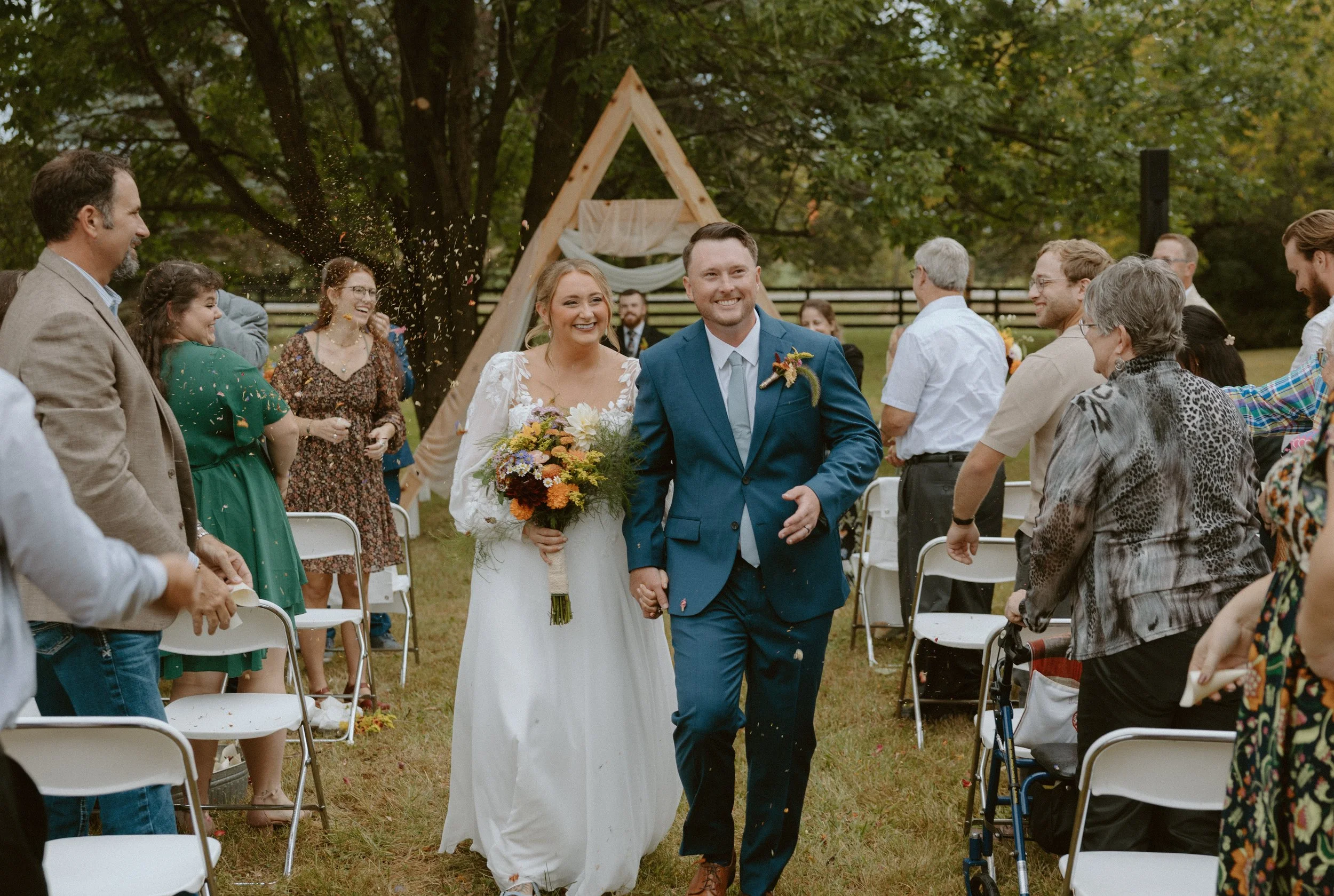
Kendall & Kyler 09.13.2025
The Not-So-Fun but Very Necessary Subscriptions
When I decided to become a photographer, I truly had no idea how many subscriptions would be involved.
Editing software like Lightroom and Photoshop are essential. If a photographer offers video, programs like Premiere Pro are part of the workflow too. Then there are tools like Canva for marketing and social media, gallery hosting platforms so couples can easily access their photos, and CRM systems that handle contracts, invoices, questionnaires, and email communication.
All of these tools help create a smooth, professional experience for clients. They also cost money. Every single month.
Some photographers, myself included, also pay extra for unlimited gallery storage so client galleries never get deleted. That means you can come back years later and still have access to your photos. It is a perk for couples, but it is an added expense on the backend.
None of these subscriptions are glamorous, but they are a huge part of running a legitimate photography business.
Gear (AKA choosing the most expensive career on accident)
I did not set out to choose one of the most expensive hobbies slash careers possible, but here we are.
A professional camera body alone can range anywhere from one thousand to four thousand dollars. These are the cameras you want your photographer using if you are investing serious money into your photos. Reliable, professional equipment matters, especially in low light, fast-moving, high-pressure situations like weddings.
Most photographers also carry backup gear, because things happen. Cameras fail, lenses break, memory cards corrupt. Having backups is not optional. It is part of being a professional. That usually means doubling the gear investment.
Then there are lenses, flashes, batteries, SD cards, and external hard drives. If your photographer keeps your photos long-term or forever, that means investing in storage solutions to keep those images safe and backed up.
Quality gear is expensive, but it is one of the reasons couples can trust that their photos are in good hands.
The Time You Do Not See
This is the part that can be hardest to quantify, but it matters so much.
Outside of the actual wedding day, there are hours and hours of work that happen behind the scenes. Emails, consultations, timeline planning, questionnaires, and coordinating with planners and other vendors all happen long before your wedding arrives.
After the wedding, there is culling thousands of images, carefully editing each one, exporting files, uploading galleries, and delivering everything in a thoughtful, organized way. Editing alone can take anywhere from twenty to forty hours per wedding, sometimes more.
There is also the fact that wedding dates are booked one to two years in advance. When a photographer books your date, they are committing to you fully. That date is no longer available for anything else, and they will show up for you no matter what else life throws their way.
Time is one of the biggest investments photographers make, and it is a huge part of what you are paying for.
The Pressure of Getting It Right
I absolutely love being a wedding photographer. It is an honor to document people’s memories, and it never gets old. That said, the pressure is real.
You are capturing one of the biggest days of someone’s life. There are no redos. No second chances. No “we’ll just try again next weekend.” Every important moment happens once, and it is your job to be ready for it.
Photographers are constantly anticipating moments, adjusting to lighting changes, managing timelines, and making quick decisions all day long. Add in the fact that life still happens, people get sick, emergencies come up, and yet the expectation is to show up calm, prepared, and focused.
A higher price point can sometimes help balance the weight of that responsibility and the stress that comes with it.
Talent, Artistry, and Experience
This is one of the biggest differences between photographers at different price points.
Developing an artistic eye takes time. A lot of time. Late nights editing, studying light, experimenting with new techniques, learning from mistakes, and constantly growing. That does not happen overnight.
Many photographers truly love what they do and would do it for free if bills were not a thing. That passion is what pushes them to refine their craft and care deeply about the final product.
The risk with extremely low pricing is not that those photographers do not care, but that they may still be early in their journey. Experience brings consistency, confidence, and the ability to handle whatever a wedding day throws at you.
That experience is valuable, and it is reflected in pricing.

Film Photography and Super 8
This does not apply to every photographer, but it is important if you are considering film or Super 8.
Film itself is expensive. Developing film is expensive. Learning film is expensive. There is a lot of trial and error involved, and very little room for mistakes.
If you are hiring a photographer who offers film photography or Super 8 video, you are paying for specialized skills, materials, and experience. It is a different craft, and it comes with higher costs.
Second Shooters Are an Investment Too
Second shooters are often included to provide more coverage and different perspectives throughout the day.
Talented, reliable second shooters are not cheap. Finding people you trust, vetting them, and building a consistent team takes time and energy. Their pay is built into the overall cost of your photography package.
Taxes and Business Fees (The Not-So-Fun Part)
One thing most people do not realize is how much of a photographer’s income goes straight to taxes and fees.
Self-employment taxes take a significant portion. For example, on a five thousand dollar wedding, around one thousand dollars may immediately go toward taxes. Then there are processing fees from invoicing and payment platforms.
That top-line number is not what ends up in a photographer’s pocket, but it is what allows them to run a legal, sustainable business.
Outsourcing Editing
If you have hired a sought-after photographer and want your photos delivered in a reasonable timeframe, there is a good chance they outsource part of the editing process.
This does not mean your photographer is hands-off. Galleries are still curated, reviewed, and finalized with intention. Outsourcing simply helps manage workload during busy seasons and improves turnaround times.
It is another expense that supports a better client experience.
Being Good With People Matters
This one is huge.
Your photographer will be with you more than almost anyone else on your wedding day. They need to manage family photos, calm nerves, read the room, and create an environment where you feel comfortable being yourself.
This skill cannot really be taught. It is instinctual. And it makes a massive difference in how your day feels and how your photos turn out.
Final Thoughts
At the end of the day, wedding photography is about so much more than taking pretty photos and applying a filter.
It takes a specific eye, a strong personality, emotional awareness, technical skill, and a serious investment of time, money, and energy. When you hire a photographer who truly cares about their craft and your experience, that care is reflected in their pricing.
Your wedding photos are one of the few things that last long after the day is over. Investing in someone who values them as much as you do is worth it.